Blunt Impact
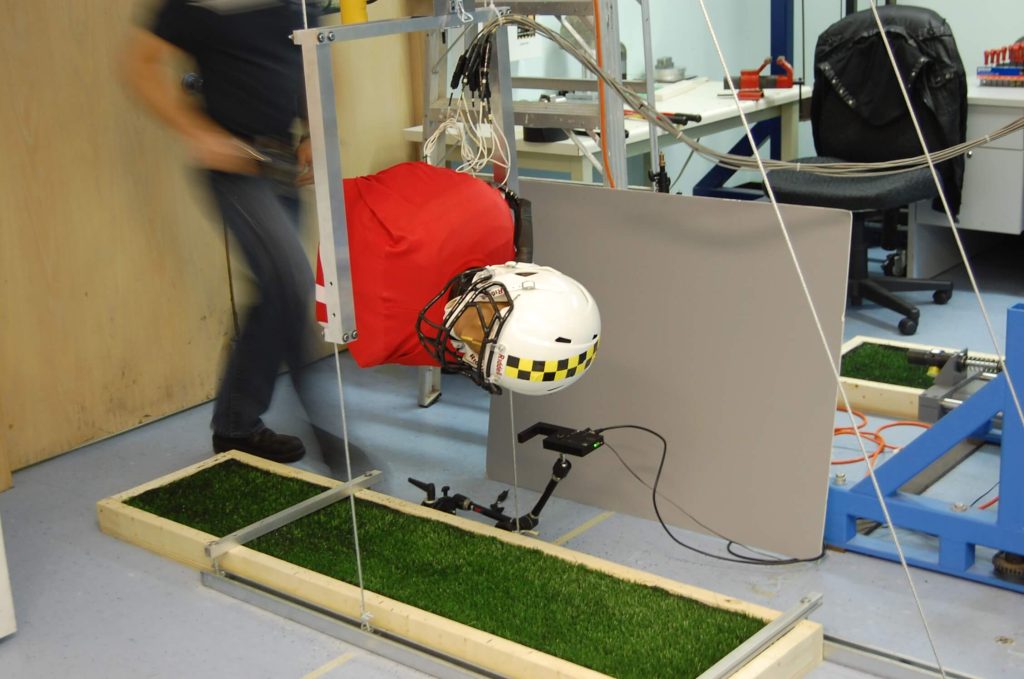
Blunt impact to the human body can cause a spectrum of injury from mild bruising to bony fractures and internal injuries.

Blunt impact to the human body can cause a spectrum of injury from mild bruising to bony fractures and internal injuries.
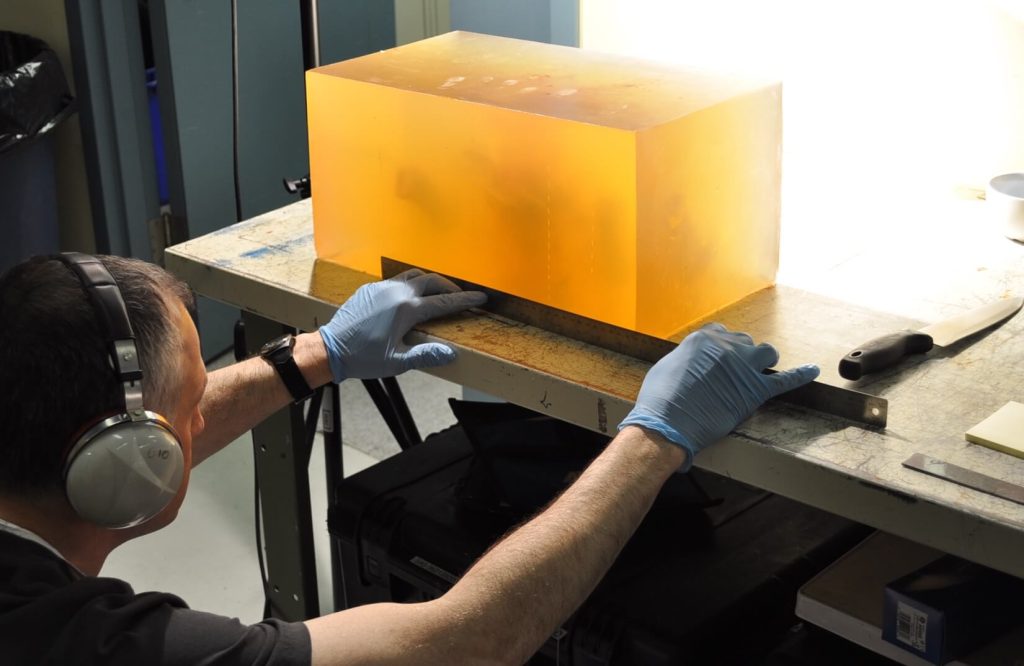
Wound ballistics is an inter-disciplinary science, involving a wide range of specialists– doctors, physicists, lawyers, weapons experts, etc. to assess the survivability and lethality of projectiles.
At Biokinetics, we believe that there is no substitute for experience. For more than two decades, we have supported military and commercial test programs that focus on protecting the human body from impact threats
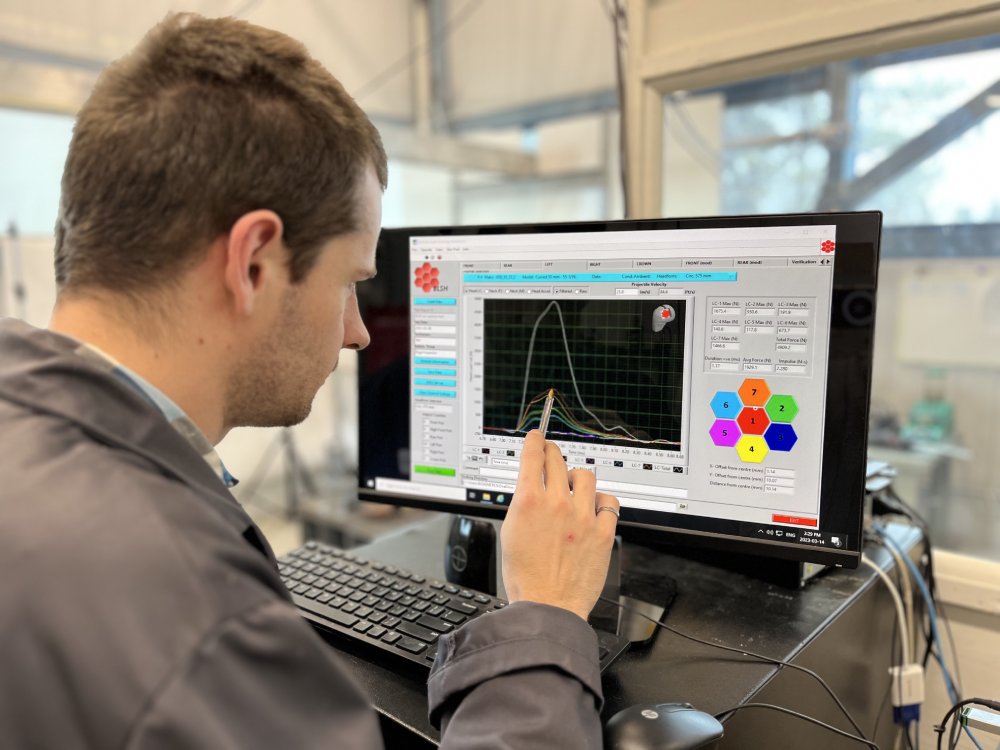
Since 2008 Biokinetics has been providing independent and unbiased assessments to defence scientists and research centres with specialized testing, analysis, and development services in the fields of injury biomechanics, fragment and small arms effects, blunt impact, blast injuries, and personnel protection.
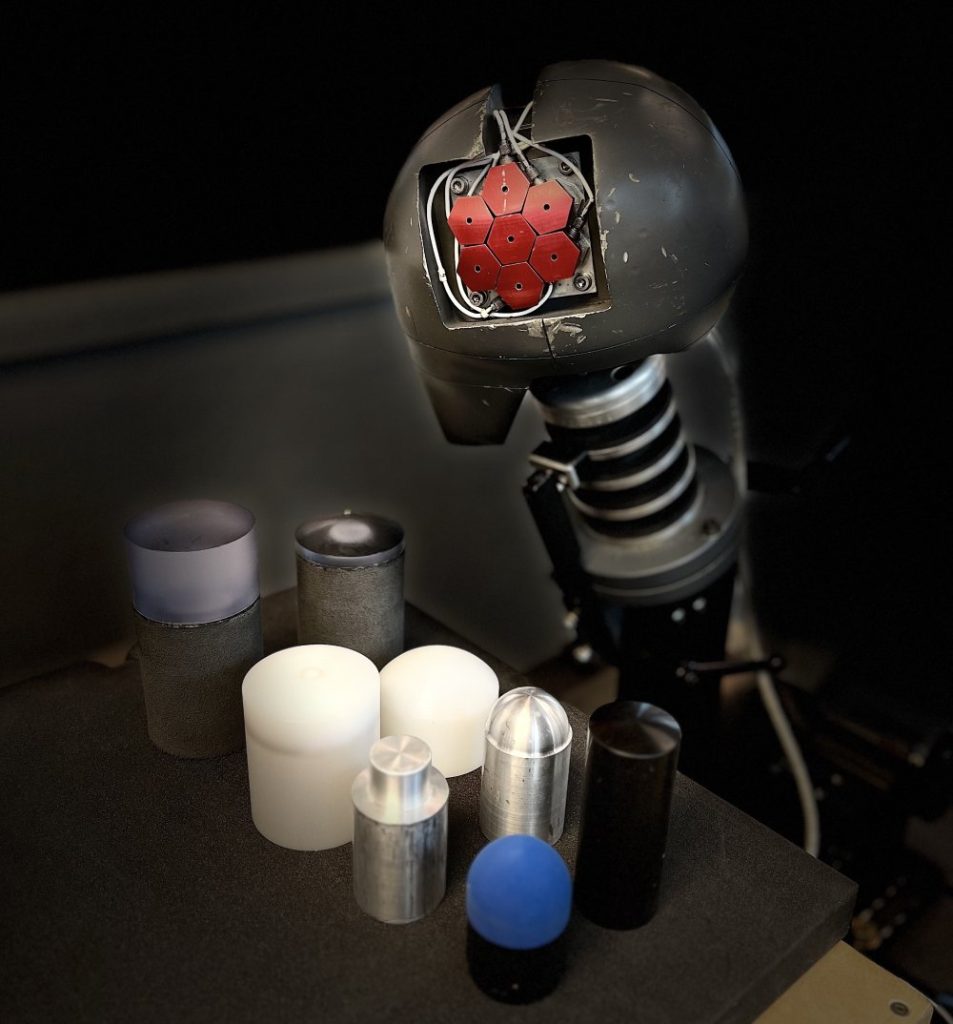
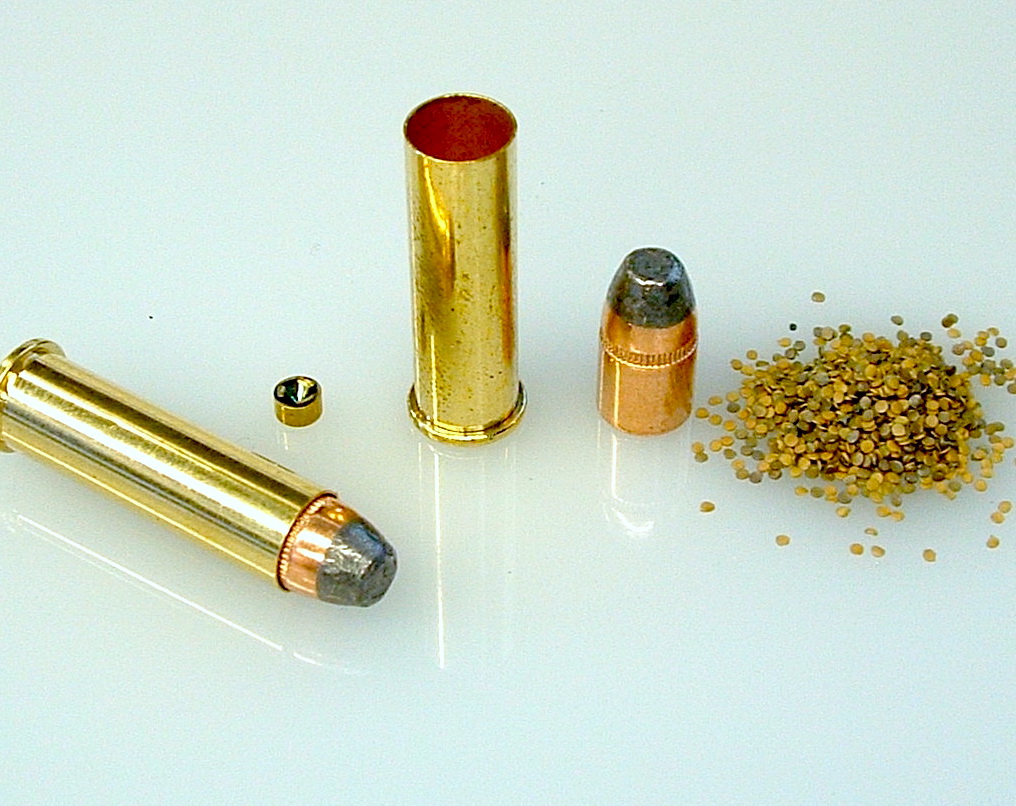
Currently, there is an urgent need from the law enforcement acquisition community to evaluate the safety of less-lethal ammunition such as sponge grenades, and beanbag rounds and rubber bullets. Until recently there has been little to no policy or guidance and they must rely on their own discretion to determine whether the device meets the law enforcement definition of less-lethal.
Drones are being used in all aspects of personal and professional life and are rapidly increasing in popularity as the technologies develop.
Biokinetics takes an active role in the advancement of ballistics test standards and the evaluation of the protective benefits and capacity of personal armour systems.
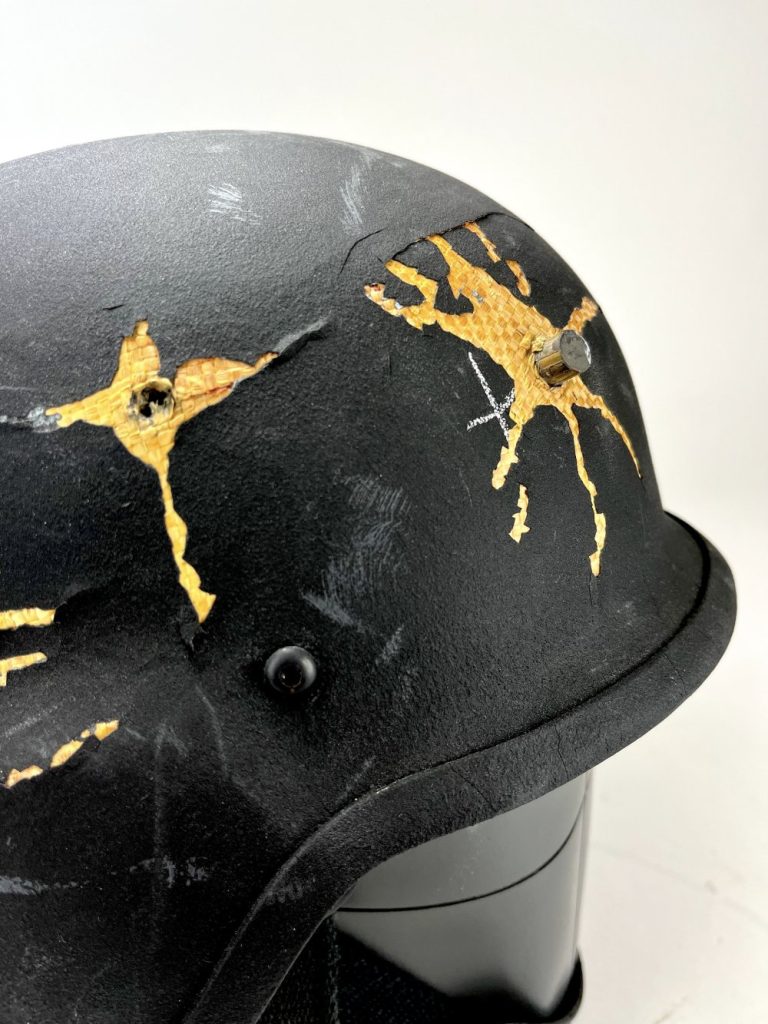
Testing is a sensitivity test that explores the armour’s performance at various projectile speeds for estimating the probability that a projectile will perforate.
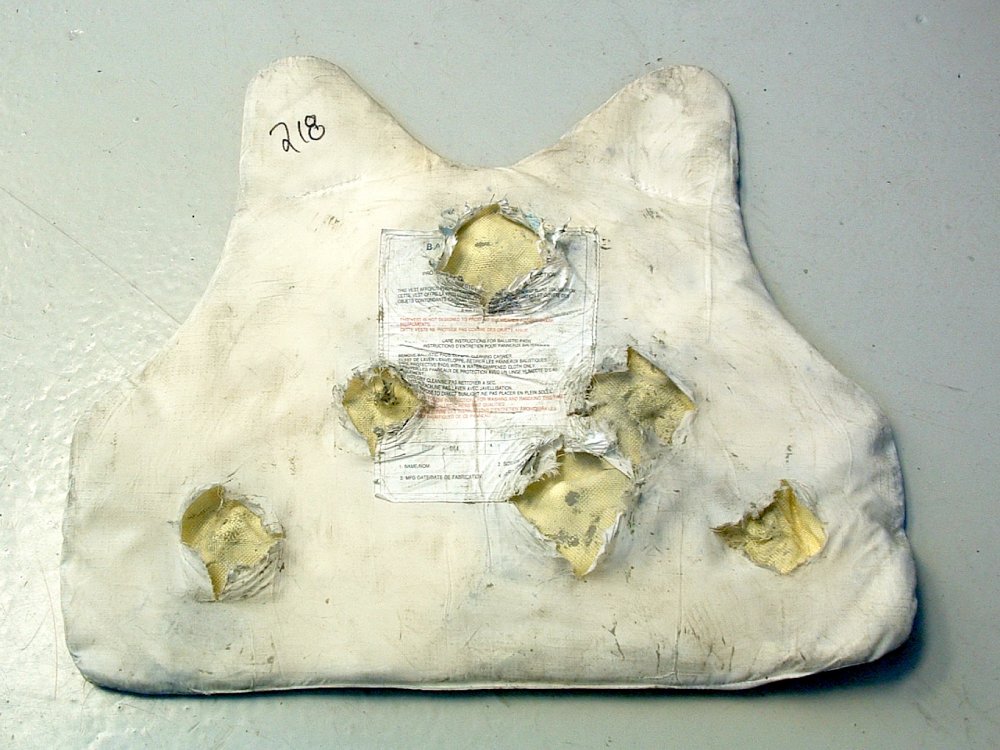
This testing uses a deformable backing material, such as modelling clay, to record deformation of the armour from a defeated bullet or projectile to assess the severity of insult. This type of testing is typically used in standards to evaluate head and torso protection (ballistic-resistant helmets, hard armour plates, and vests).
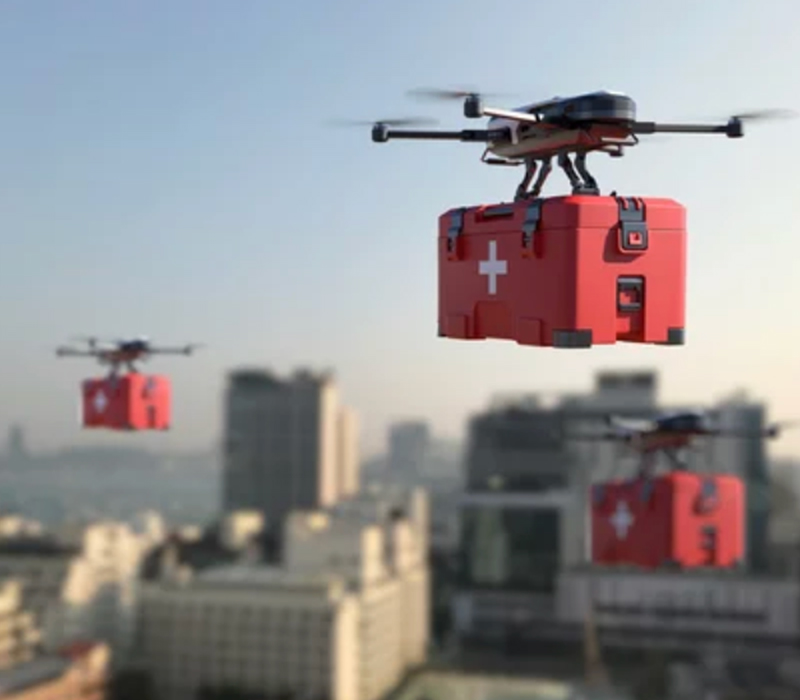
Drones, UAV’s and RPAS are rapidly gaining in popularity and becoming widespread in our society. It is critical to think about drone safety now as these technologies get off the ground.