What the New NPRM Means for Drone Safety Testing
As drones continue to expand into commercial, industrial, and government applications, creating a cohesive set of safety standards remains a driving priority for regulators.
The latest Notice of Proposed Rulemaking (NPRM) introduces key changes designed to better protect people on the ground—particularly as operations increasingly occur over populated areas. This means that manufacturers, integrators, and designers face a growing need for verified biomechanical data that helps confirm their compliance with evolving standards designed to mitigate external risk.
With decades of experience behind our team, Biokinetics is proud to be at the forefront of safety and a leader within the drone impact research space. Learn more about the importance of the new NPRM below, as well as how Biokinetics can help your team succeed.
Understanding the New NPRM: What’s Changing?
While the specifics of the proposed rulemaking continue to evolve, several themes in the most recent literature stand out:
1. Expanded Requirements for Operation Over People
Drones operating above individuals now face stricter assessment criteria. Regulators want clearer evidence that aircraft can operate without posing a significant injury risk in the event of impact.
2. Greater Focus on Impact Energy and Injury Thresholds
The NPRM emphasizes the importance of consistently evaluating kinetic energy transfer—the primary driver of injuries during drone collisions.
3. Increased Accountability for Manufacturers
Manufacturers must provide validated test data demonstrating compliance. This includes proof that the aircraft’s structure, weight, fail-safe mechanisms, and materials meet acceptable injury-risk levels.
4. Alignment With International Trends
Global regulators, including those in the EU and UK, are adopting similar risk-based approaches. The NPRM positions North America to follow suit and drive change in the Western Hemisphere.
Why Drone Safety Testing Must Be Biomechanically Grounded
Traditional mechanical testing tells us how a drone behaves on impact, but neglects to include the human component. Drone safety must factor in the threats to the human body, including potential injuries, by gathering relevant data such as:
- Human-surrogate modelling
- Tissue-level injury metrics
- Thoracic, cranial, and limb injury thresholds
- Repeatable, validated impact testing methods
- High-speed data capture and impact characterization
Biomechanics help bridge the gap between mechanical behaviour and human safety, making it essential for NPRM compliance.
Biokinetics is proud to have pioneered many of these injury-based testing methods, providing manufacturers with the tools and data needed to demonstrate credible compliance. Biokinetics DSL (Drone Safety Lab) is only one of a few drone test labs that have garnered the FAA’s approval for demonstrating compliance to the regulations (14 CFR Part 107) and to industry standards (ASTM F3389-21, Method-D).
What Manufacturers Need to Demonstrate Under the NPRM
1. Risk of Serious Injury Is Acceptably Low
Data must show that, in a worst-case impact scenario, the drone is unlikely to cause serious injury.
2. Flight Termination and Fail-Safe Features Work Reliably
Fail-safe systems may reduce impact energy, but their performance must be validated through testing—not assumed.
3. Impact Behaviours Are Well-Defined
Manufacturers need impact data across:
- Different velocities
- Varied angles
- Multiple aircraft configurations
- Potential failure modes
4. Testing Methodologies Are Validated and Repeatable
The NPRM emphasizes standardized, science-backed test procedures to support regulatory decisions.
How Biokinetics Supports NPRM Compliance
Biokinetics has long been a leader in human-injury assessment for aviation, military systems, and emerging technologies, such as unmanned aircraft. Our drone testing services offer:
- Validated, repeatable impact tests grounded in biomechanics. We assess real human-injury outcomes rather than simple force or deflection results.
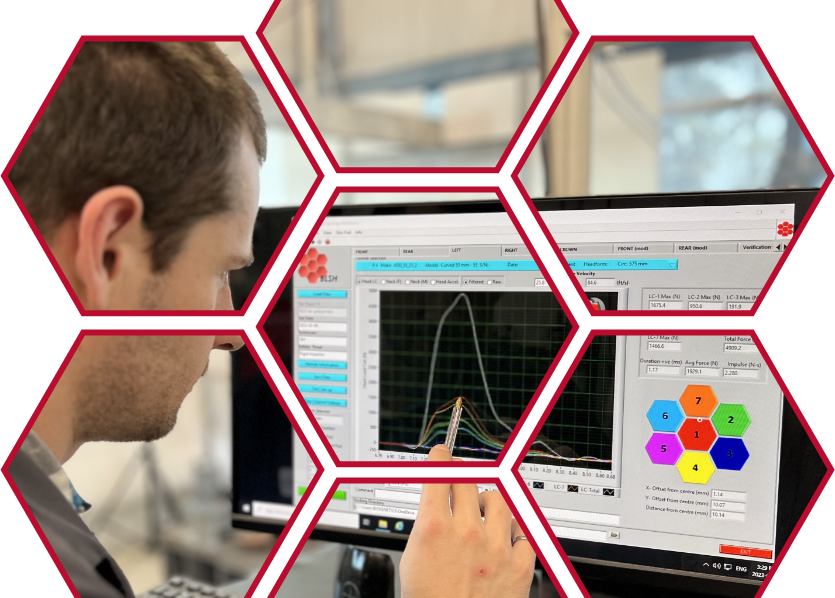
- High-speed impact evaluation. Using advanced sensors, high-speed imaging, and instrumented surrogates, we capture the detailed data regulators now expect.
- Specialized consulting for NPRM requirements. Our team helps manufacturers interpret regulatory language, identify evidence gaps, and develop complete compliance packages.
- And more
Partnering With Biokinetics Helps You Stay at the Forefront of Compliance
Injury prevention has been the foundation of Biokinetics’ work for over five decades. As drone technology advances, we apply the same expertise to help manufacturers design safer systems, meet regulatory requirements, and protect people on the ground.
Learn more about our work with drone safety regulations and how we can help your team stay compliant by contacting us today.